A story opens the subject
Fiction gives pupils distance from a difficult issue. Teachers can discuss Katie and Sophia’s choices without asking anyone to reveal personal experience.
English is the authoritative source. Machine translation changes this website page only; it is not a professionally reviewed translation and does not translate the novel. Confirm safeguarding, legal, health and emergency information with an official service in your country.
More website languages →Translation and accuracy standard →From reading to protection
Knowledge does not replace professional safeguarding. It can, however, help a young person recognise concern, break harmful secrecy and speak to an adult who can act.
Fiction gives pupils distance from a difficult issue. Teachers can discuss Katie and Sophia’s choices without asking anyone to reveal personal experience.
The story explores secrecy, family pressure, travel and fear. It makes clear that no single sign proves FGM/C, but a worry should still be shared.
A young person does not need evidence. “Something I heard has worried me. I need your help” is enough to begin a safeguarding conversation.
Teachers and professionals follow safeguarding procedures, record the concern and seek specialist help. The child is not expected to investigate or confront anyone.
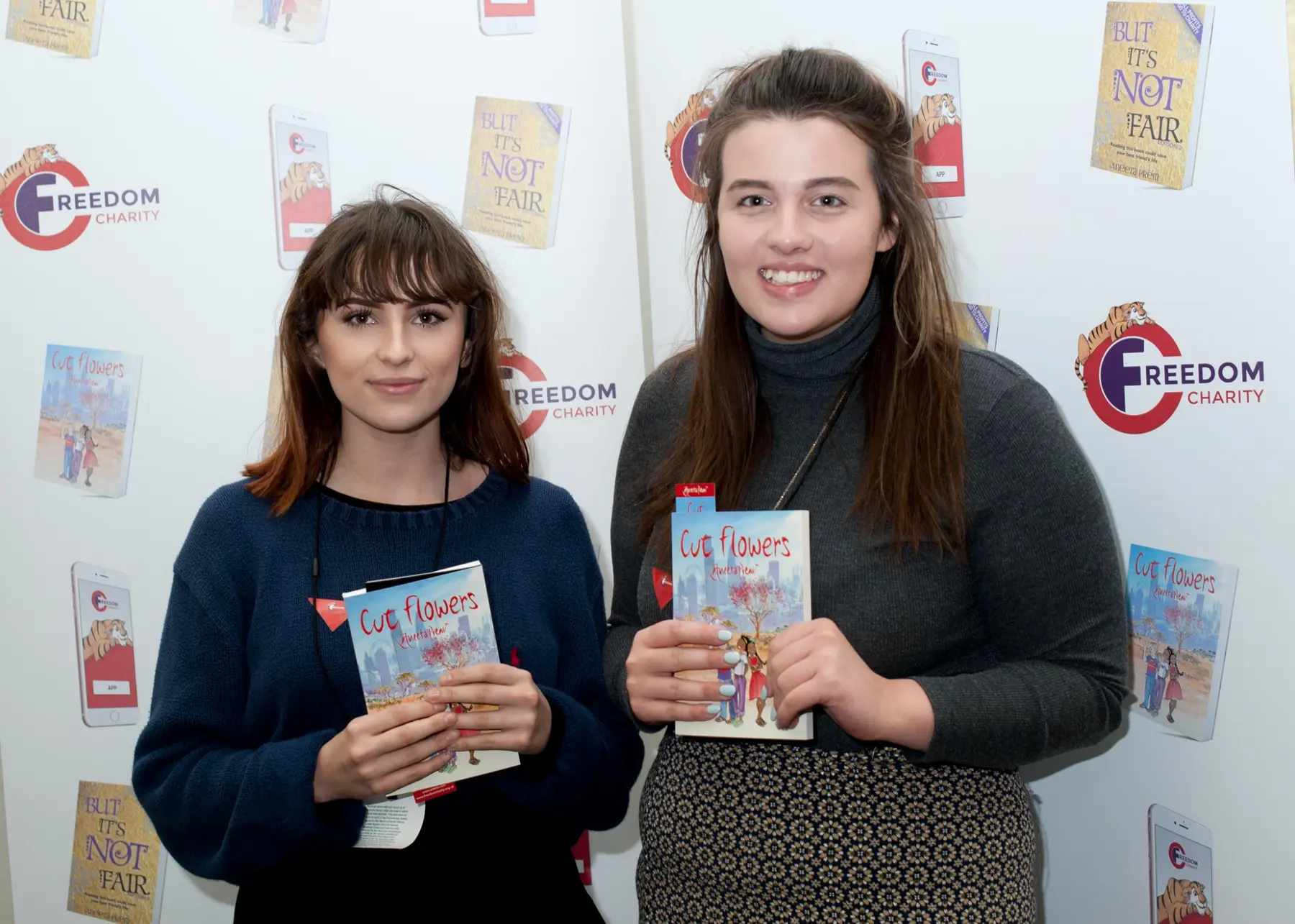
Education in action
Freedom Charity combines books, school visits and safeguarding resources so children and the adults around them are better prepared to recognise risk and respond safely.